



Destination Weddings Are Booming — Is Your Body Ready for the Trip?
Why more couples and guests are treating destination weddings as a full travel experience — and why recovery deserves a place in the itinerary.
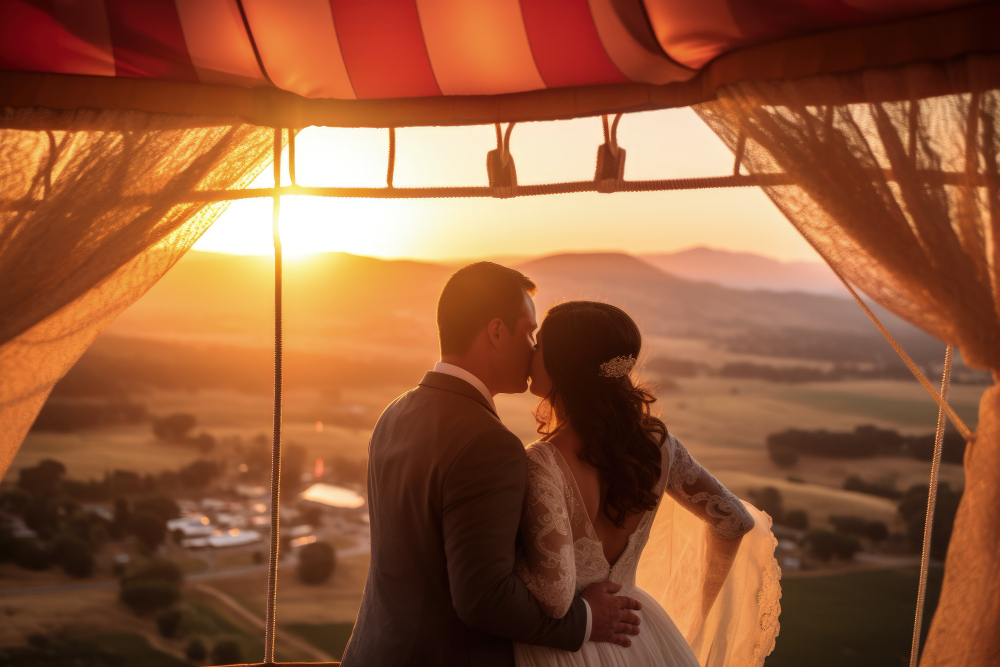
Destination weddings have quietly become one of the biggest trends in modern tourism. Couples are no longer just booking a venue — they are booking an experience: a long weekend in Tuscany, a beach ceremony in the Adriatic, a mountain lodge wedding surrounded by autumn color. For guests, that means the invitation often comes with a passport stamp attached. Wedding tourism now regularly involves multi-leg flights, long transfers, unfamiliar time zones, and several packed days of celebration back to back — rehearsal dinners, ceremonies, receptions, and farewell brunches, often with very little rest in between.
It is easy to focus all the planning energy on outfits, gifts, and travel logistics, and forget that the body pays a real price for this kind of trip. Long-haul flights stiffen the neck and lower back. Time-zone shifts disrupt sleep just when guests need the most energy. Hours of standing at ceremonies, dancing at receptions, and walking across cobblestone streets or sandy venues can leave even fit travelers sore, swollen, and fatigued well before the final toast.
The Hidden Cost of Wedding Travel
Travel medicine and physiotherapy experts have long pointed out that prolonged sitting on planes reduces circulation and tightens the hips and lower back, while poor sleep from jet lag lowers the body’s tolerance for both stress and physical exertion. Add several nights of dancing in formal shoes, and it is no surprise that many wedding guests come home more exhausted than when they left — sometimes needing days to recover from a trip that was supposed to be joyful and relaxing.
This is exactly the gap that at-home wellness and recovery tools are designed to close. Simple, portable solutions — targeted massage devices, posture supports, and light therapy tools — can make a real difference before, during, and after a destination wedding, whether it is used to loosen a stiff neck the night before departure, ease lower-back tension during the trip, or help the body recover once travelers are back home.
Building Recovery Into the Itinerary
A growing number of travelers are now packing wellness tools the same way they pack a phone charger — as a non-negotiable part of the trip. A few practical habits are worth building into any wedding-travel itinerary:
- Stretch and move during layovers rather than sitting through the entire wait.
- Use a compact massage or posture device on travel days to release tension from sitting and carrying luggage.
- Prioritize a short recovery routine the morning after the reception, before packing the day with sightseeing.
- Plan one deliberate rest day at the end of the trip instead of scheduling activities right up to the flight home.
None of this requires giving up spontaneity or turning a celebration into a wellness retreat. It simply means treating the body as part of the travel plan, not an afterthought — so that guests arrive at the ceremony relaxed rather than road-weary, and fly home with good memories instead of a sore back.
Where to Start
For travelers who want to build a simple, effective recovery routine before their next wedding trip, SanovitaCare offers researched guides and reviews of at-home wellness devices — from portable massagers to posture and light-therapy tools — designed to support comfort and mobility around exactly this kind of demanding travel schedule. Visit sanovitacare.com to explore solutions matched to the body areas that feel it most after a long trip.
This article is for general informational purposes and is not medical advice. Consult a healthcare professional for guidance specific to your health needs.