




Serbian folklore
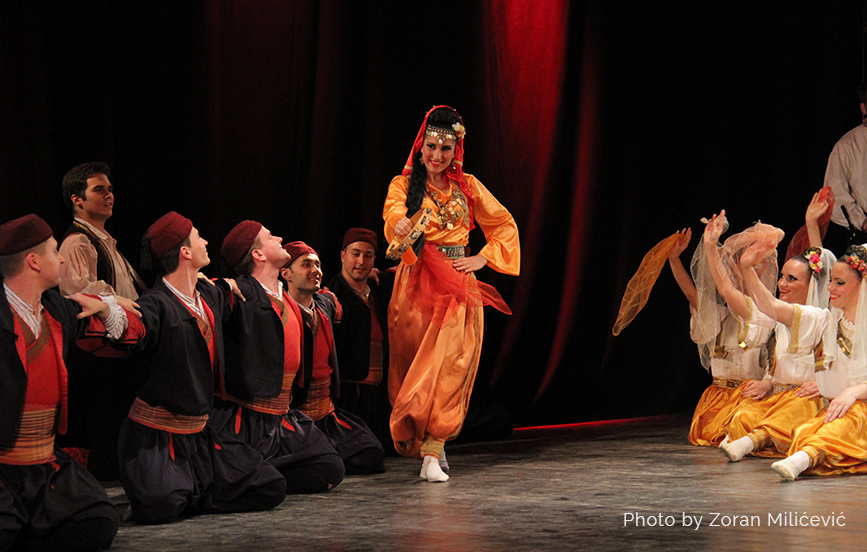
Folklore represents the art (mainly dances and music) that has been transmitted orally (from generation to generation) and that “lives” in a nation’s culture.

The specific composer has not written the songs and dances. Instead, they have been written down directly from the people that have known or remembered the old folk songs and dances. The Serbian folklore is various when it comes to the rhythm, dance moves, the way of dancing, music, and costumes. The music folklore has been transmitted through the stories, and shows the national creativity from the past epochs.
The Serbian folk music can be separated into three departments: vocal, vocal-instrumental, and instrumental.
The vocal music is the oldest one, vocal-instrumental finds its use in the epic-poetic category, while the instrumental is usually used only as the background for the folk dances, although it was performed stand-alone as well.

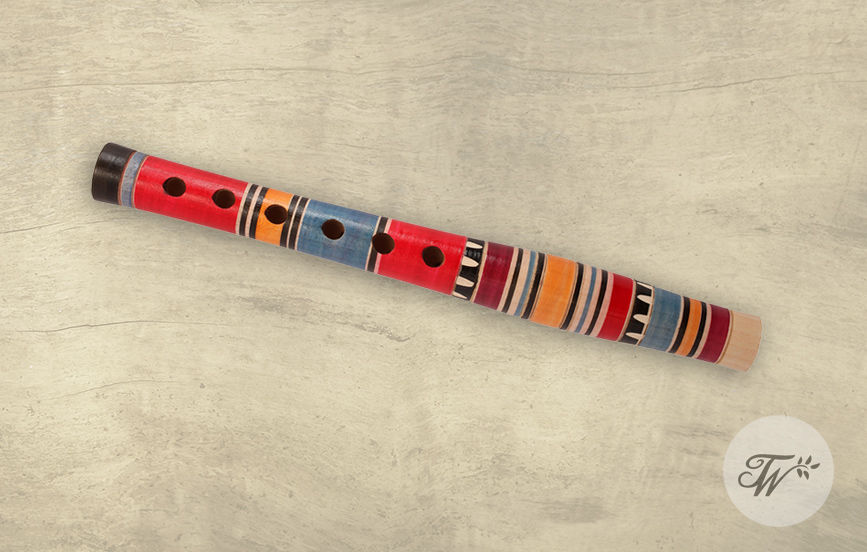
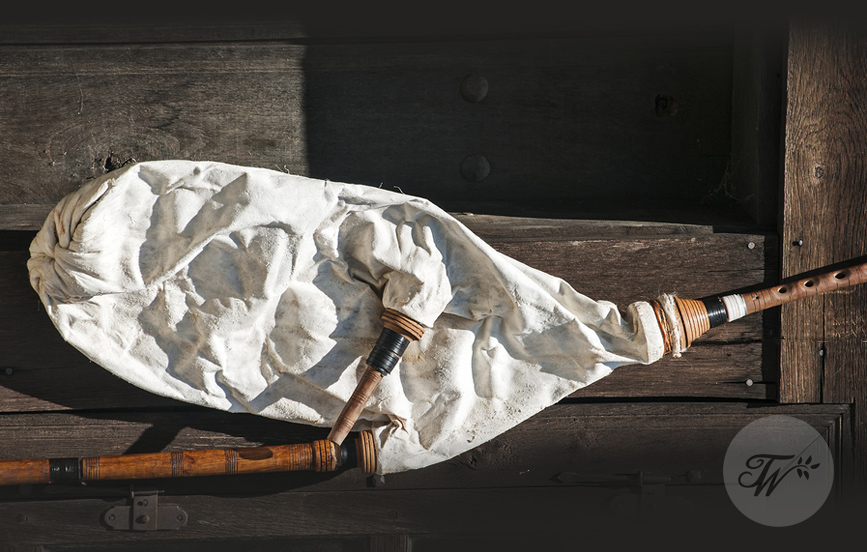
Epic songs were usually sang with the accompaniment of gusle, a very old Slovenian instrument, while it was often danced to “gajde” or “svirale”.
The typical Serbian folk dances are “kolo” and “lesa”. Kolo is the dance in which dancers form the chain that moves in the circular or curvy line.
Lesa is the dance in which dancers form a chain and are positioned in the strait line or in the two parallel groups. Then they move left and right, back and forward.
Dancing solo or in pairs is rare; it was mainly used in the ritual dances (e.g., Dodolas).
The ritual dances are very old and are the “leftover” of the Pagan culture. They represent the rituals that were used by Pagans to pray for fertility and rain, and were used as Pagan rituals for the events such as birth, wedding, death. Dances and songs are one of the oldest folk arts, and have always been a part of people’s lives.
All of the important events in people’s lives (e.g., birth, wedding, death, winning in the battle, success in hunting, performing rituals) have all been accompanied by dances and songs.

All photos are the intelectual property of Zoran Milicevic, phone no: +381 (0) 63 351872 and Folk dance theater AKUD SPANAC , Serbia


Williamea
03/02/2016Thanks for the forum.Really thank you! Fantastic. Torregrosa
TW
03/02/2016Thank you too for the nice words about our work! 🙂